Study in English
All lectures and program activities are conducted in English. No Japanese language ability is required.

Ritsumeikan University
Learn data science in a global classroom, live on campus, and experience real student life at Ritsumeikan University.
Applications are accepted through Microsoft Forms. The minimum number of participants is 15.

This hero image is used to express the atmosphere of the program. The campus photos below show the actual environment at Ritsumeikan.

Why RDSP?
RDSP is not only a short academic program. It is also a chance to join an international classroom, stay on campus, meet Ritsumeikan students, and enjoy technology, culture, and campus life in one program.
Program strengths
All lectures and program activities are conducted in English. No Japanese language ability is required.
Stay at the OIC Seminar House and experience real university life in a safe and practical environment.
Join workshops and exchange opportunities with local students through classes and activities.
Explore tea ceremony, sports exchange, and other student-life experiences beyond the classroom.
What you may experience
This page will continue to be updated as details are confirmed. Even at this stage, the program already offers a strong mix of academic study, student exchange, and hands-on experiences.
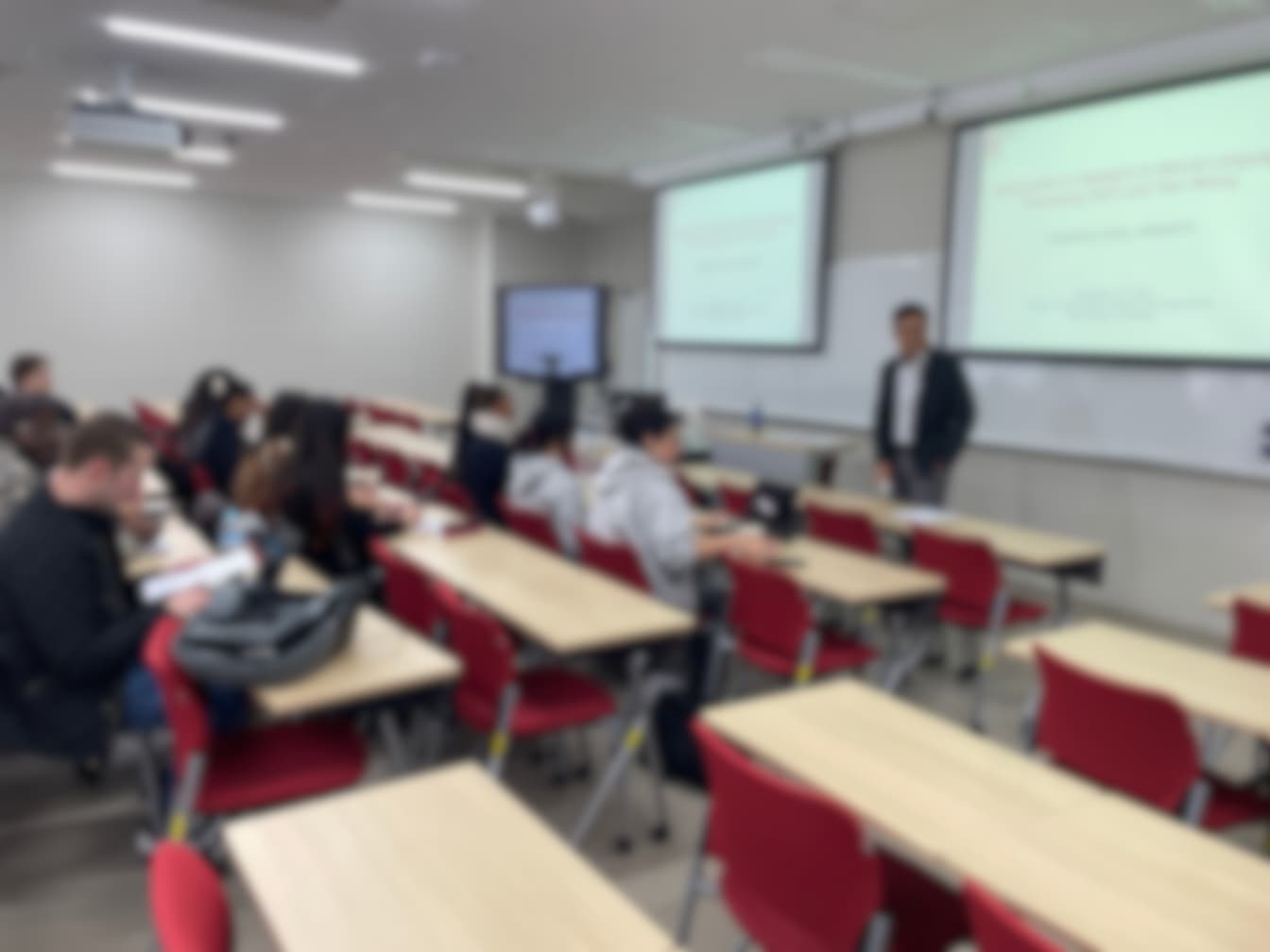
Learn AI, machine learning, data science, and robotics in an international classroom environment.
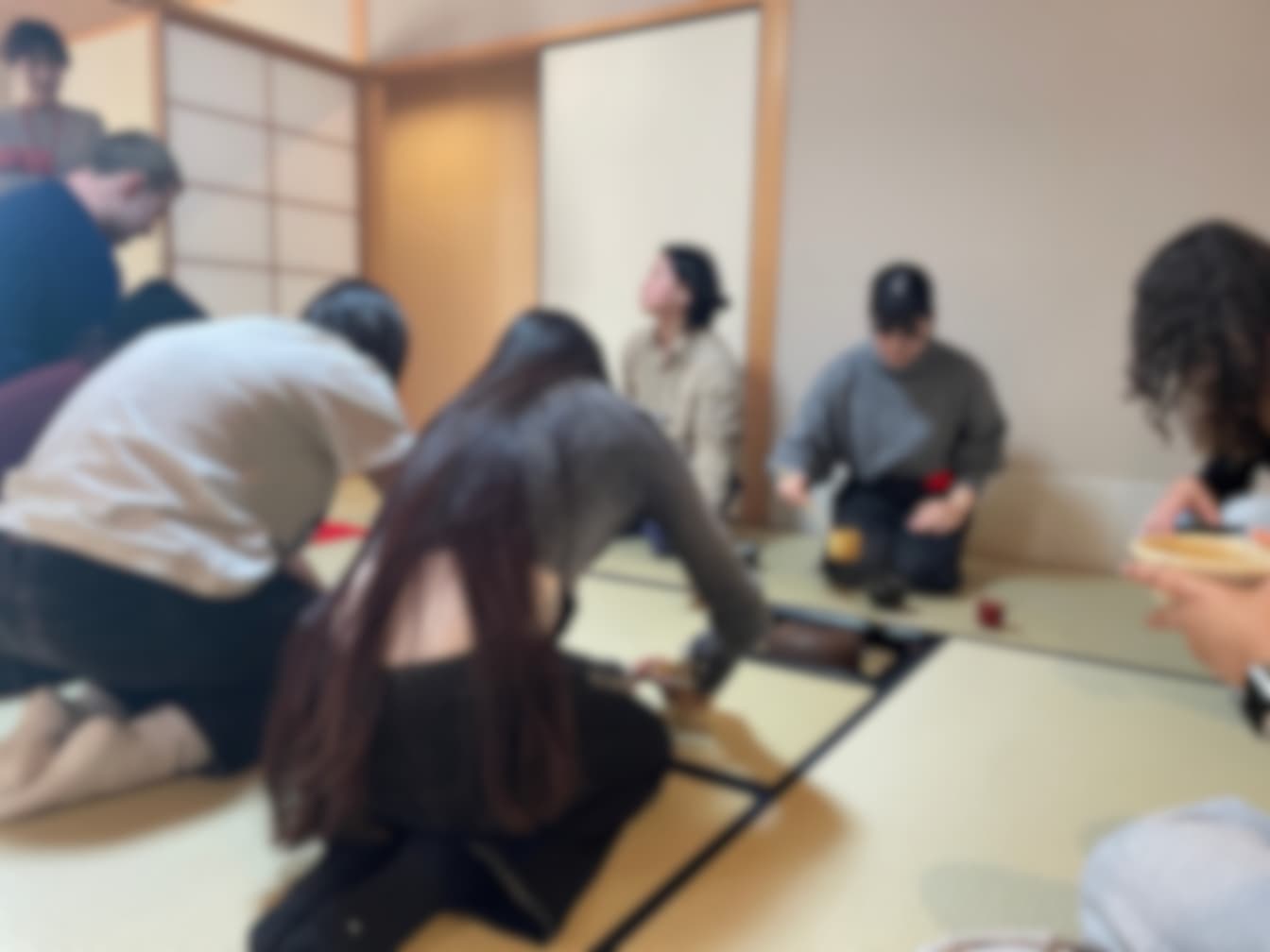
Enjoy a hands-on cultural session and experience a traditional side of Japan with Ritsumeikan students.
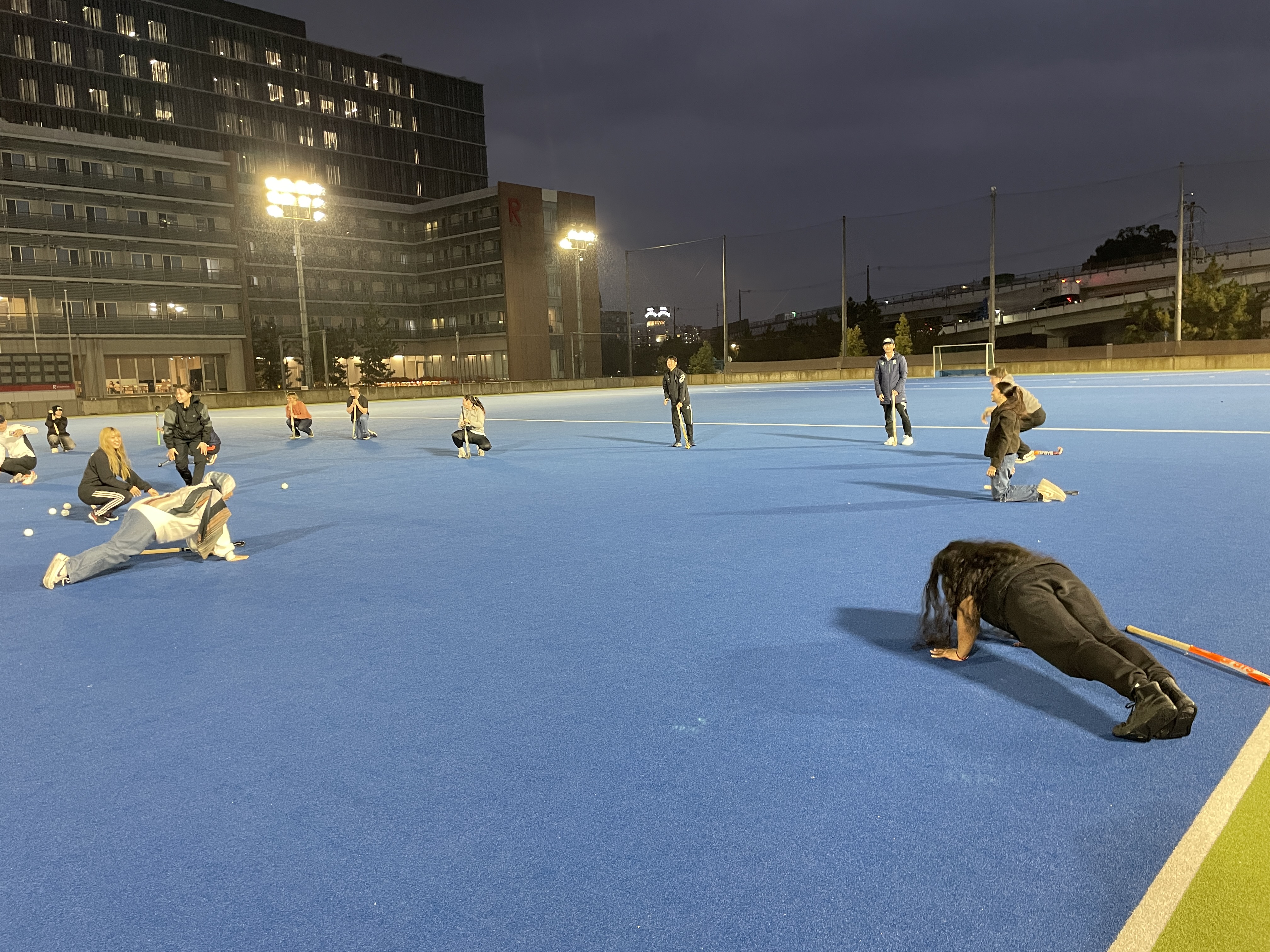
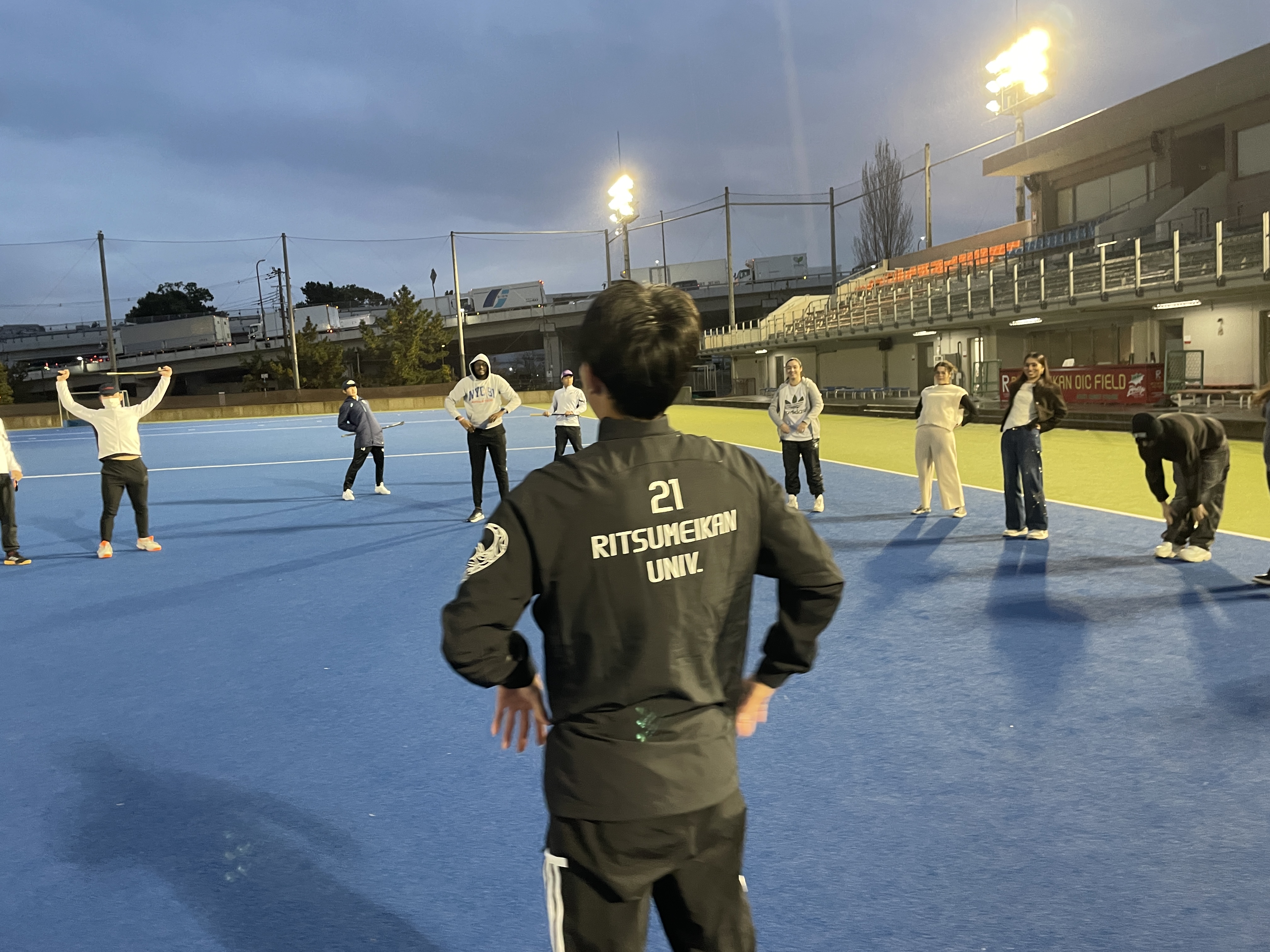
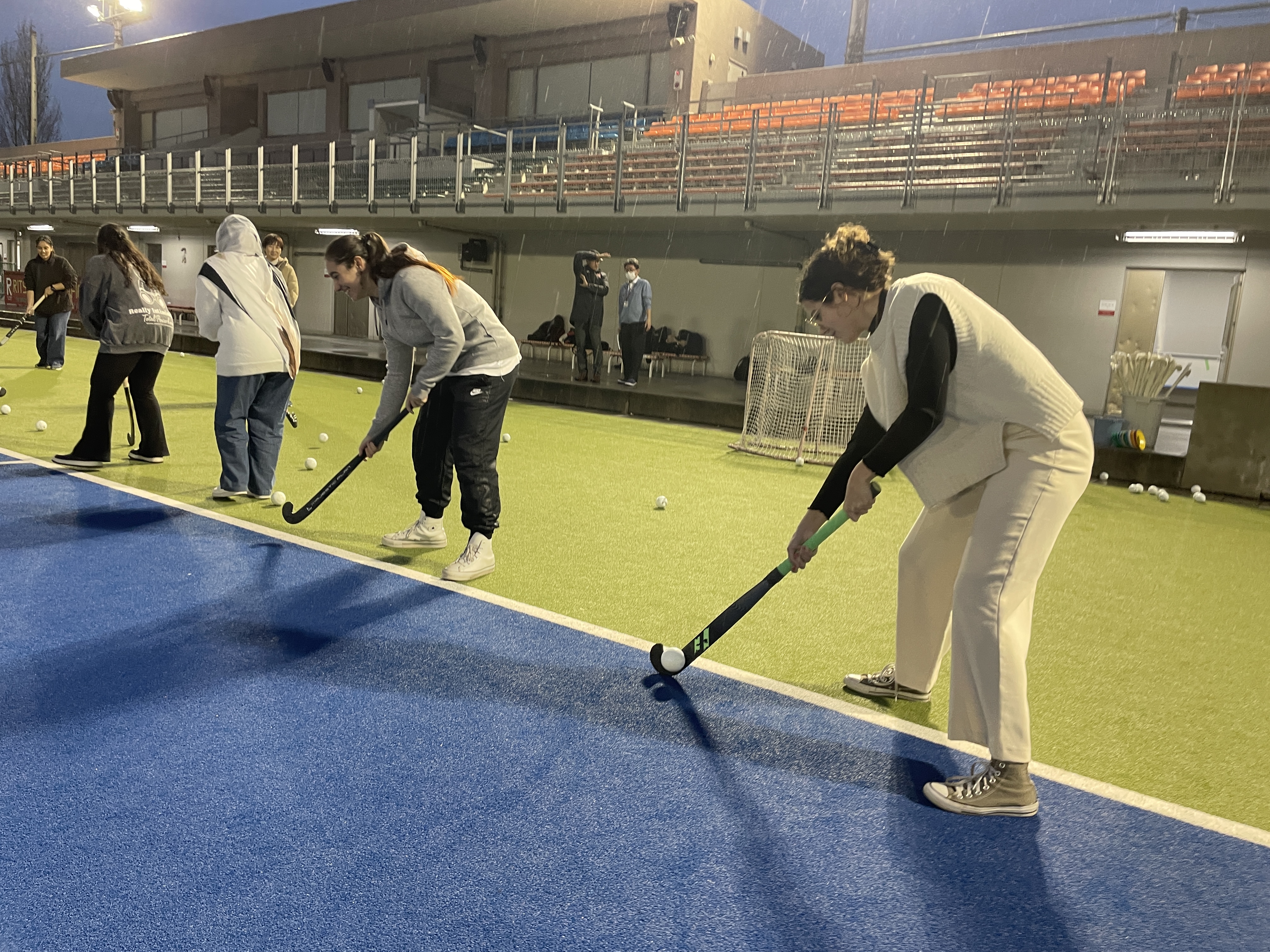
Join a sports activity on campus and connect with students through movement, teamwork, and fun.
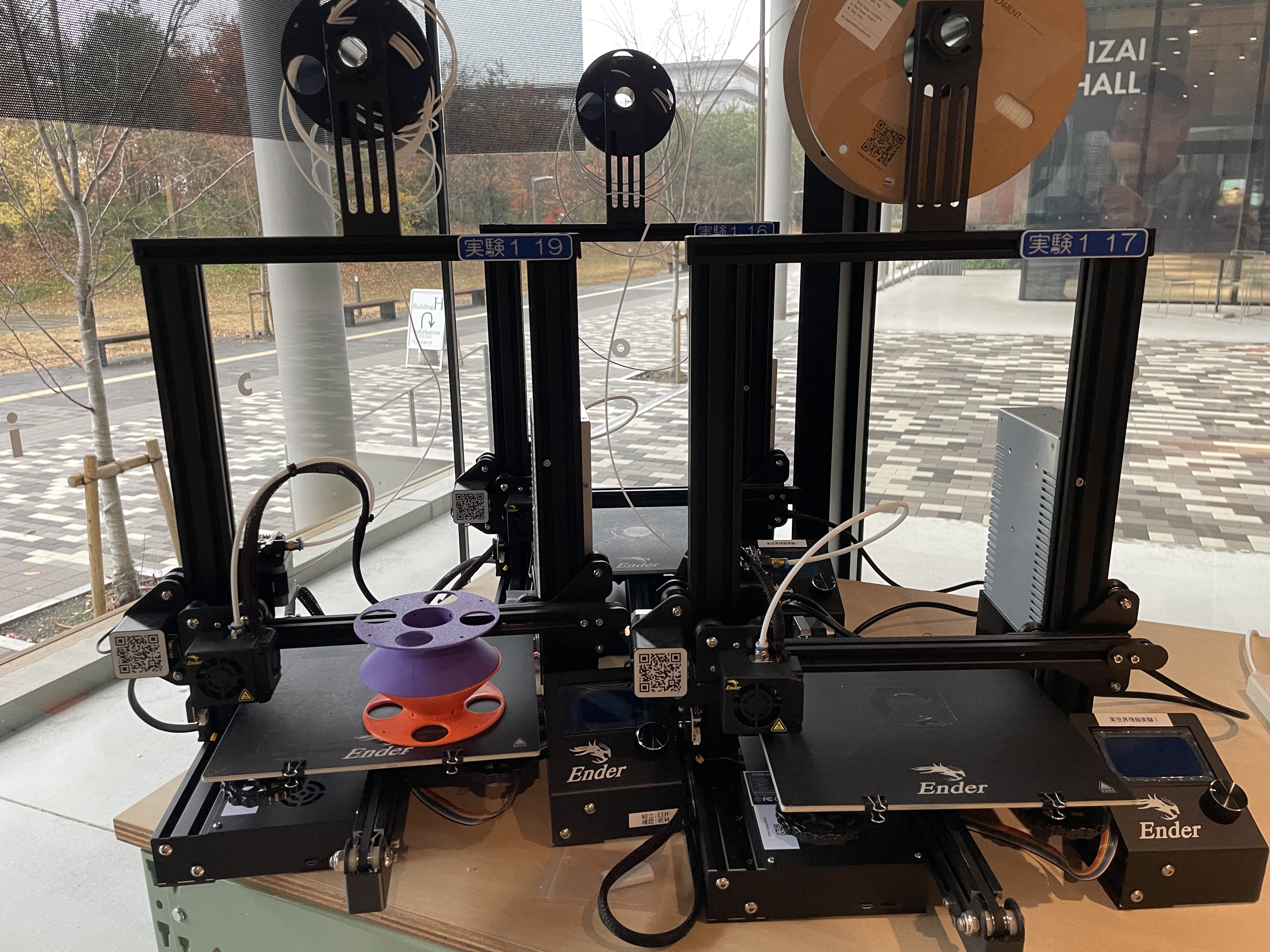
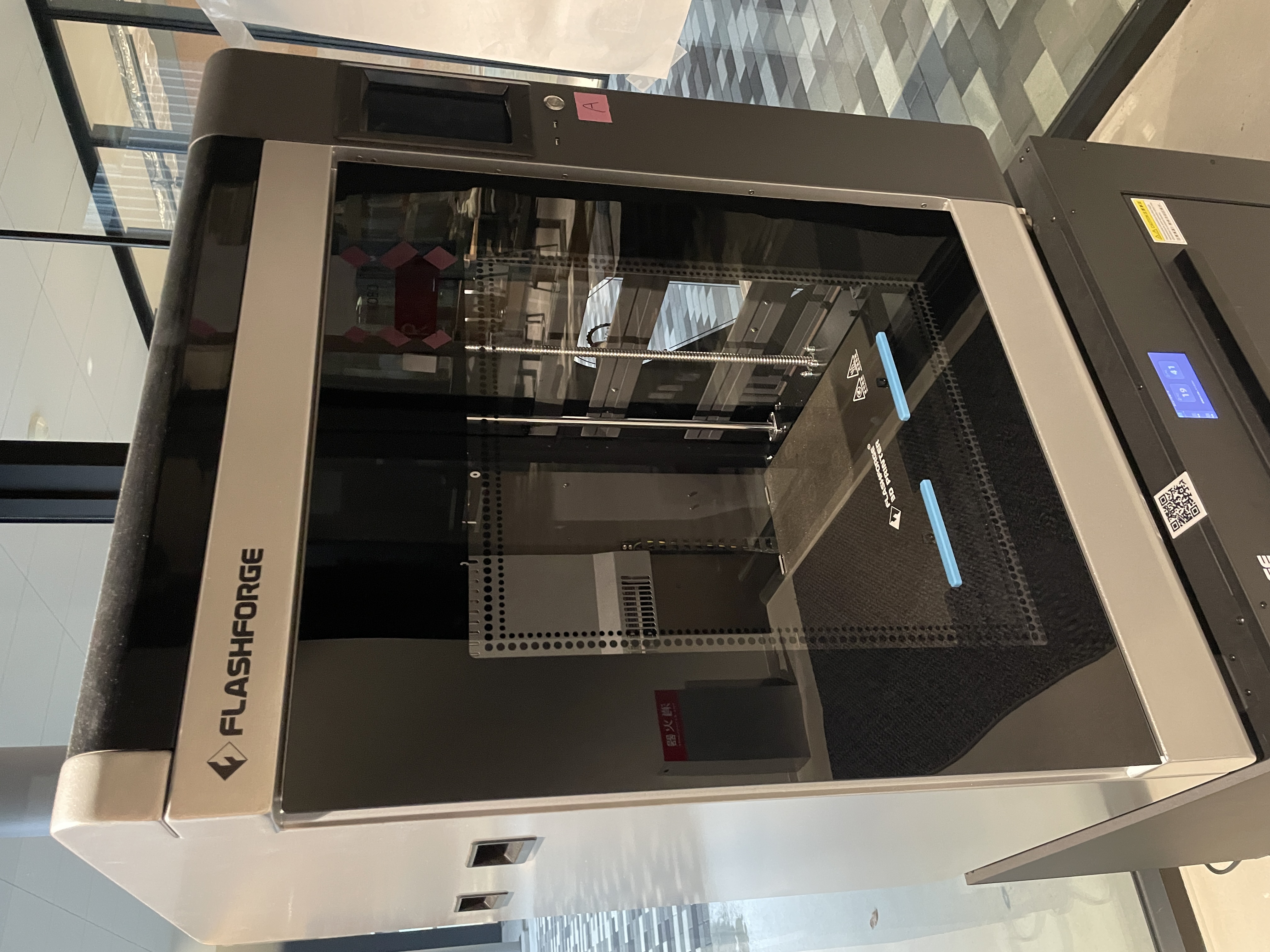
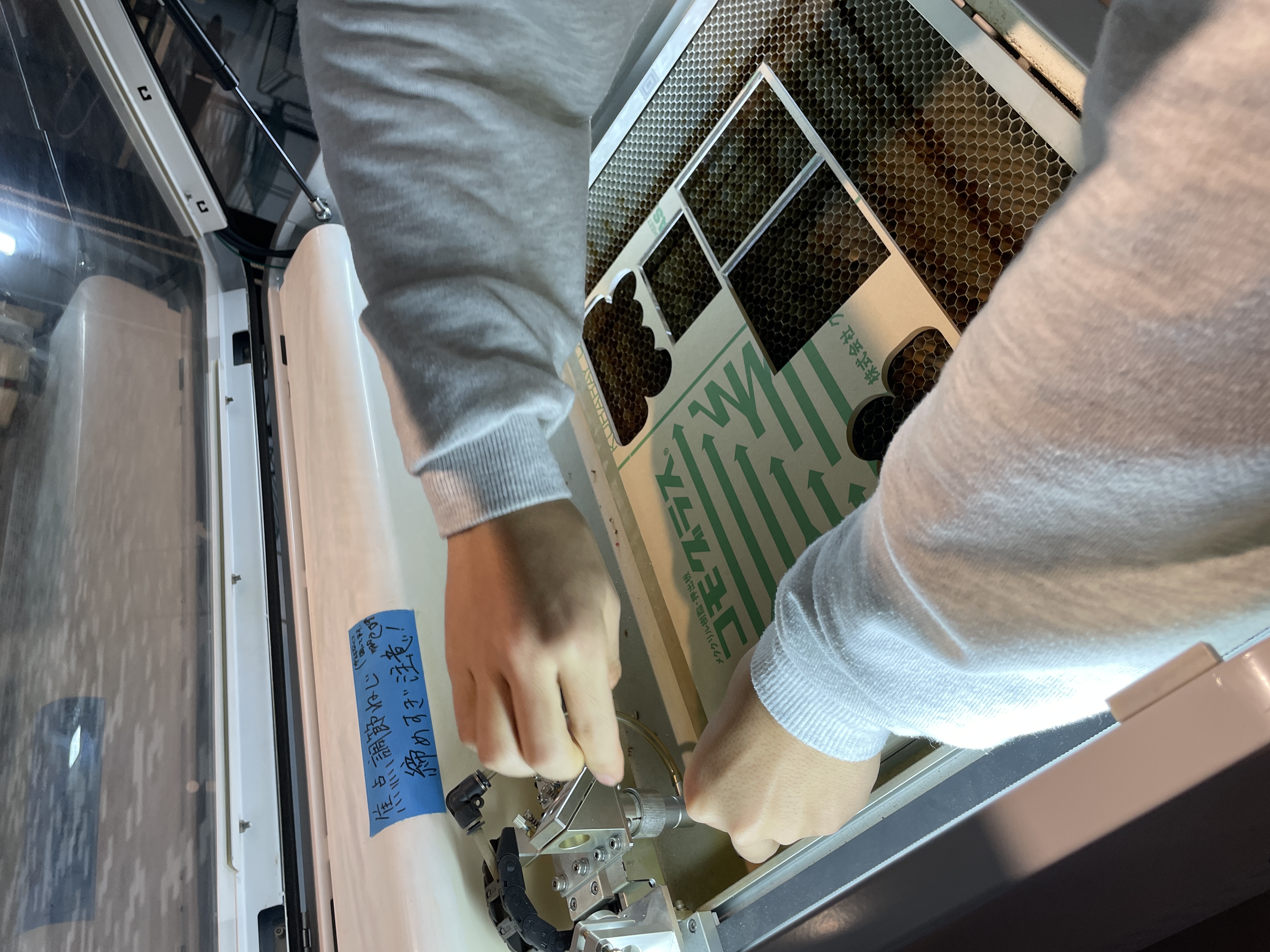
See digital fabrication tools and possible hands-on sessions such as laser cutting or 3D printing.
What you will study
The program aims to combine academic understanding with practical thinking, visualisation, and discussion in an international learning environment.

Learning image
This image is used as an illustration of the kind of analytical mindset and visual learning atmosphere that matches the spirit of RDSP.
Together with the real campus photos and faculty information on this page, it helps visitors quickly understand the academic direction of the program.
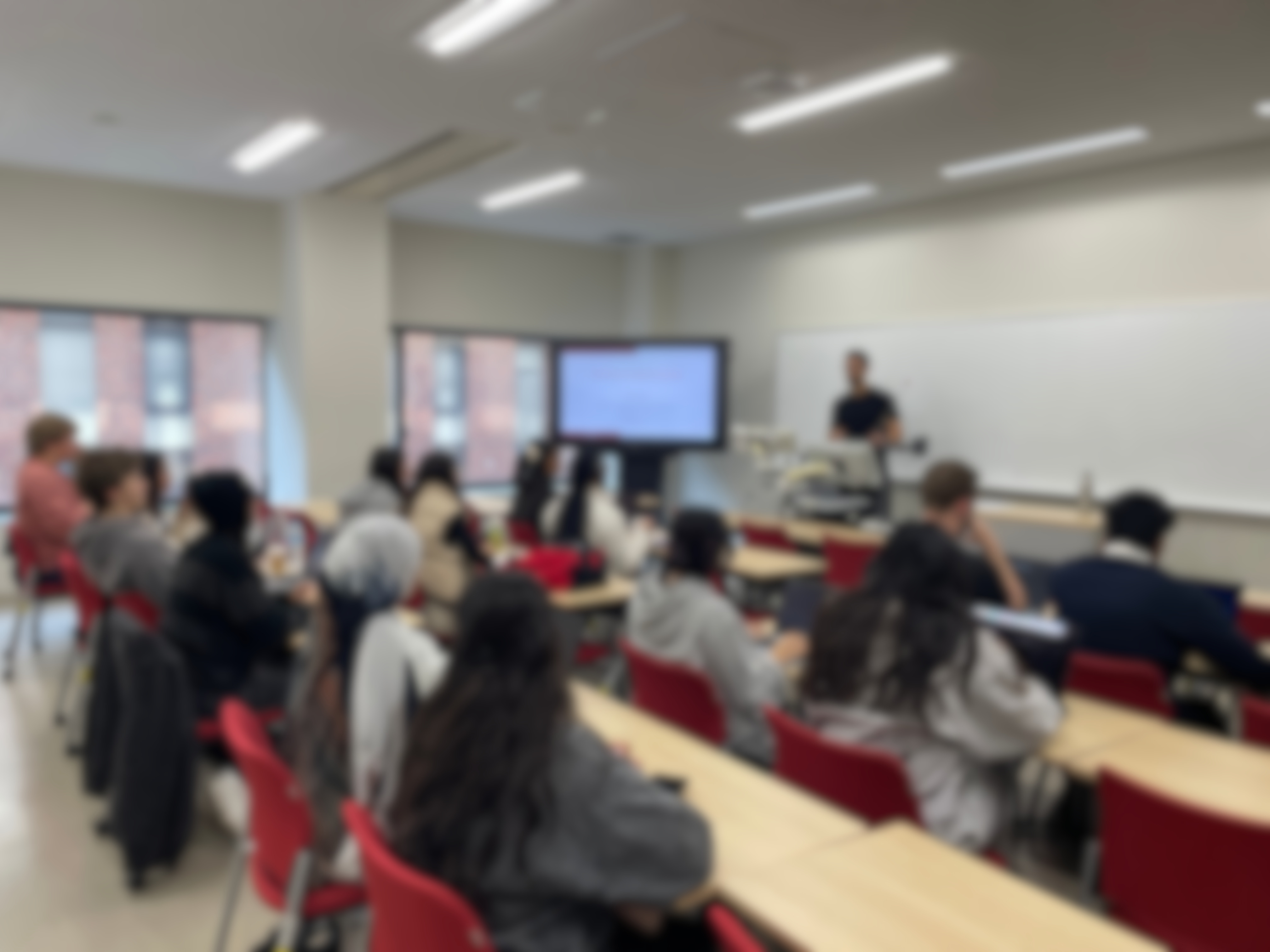
Actual campus scenes
These photos show the actual Osaka Ibaraki Campus environment and help make the page feel more real, more grounded, and more trustworthy.
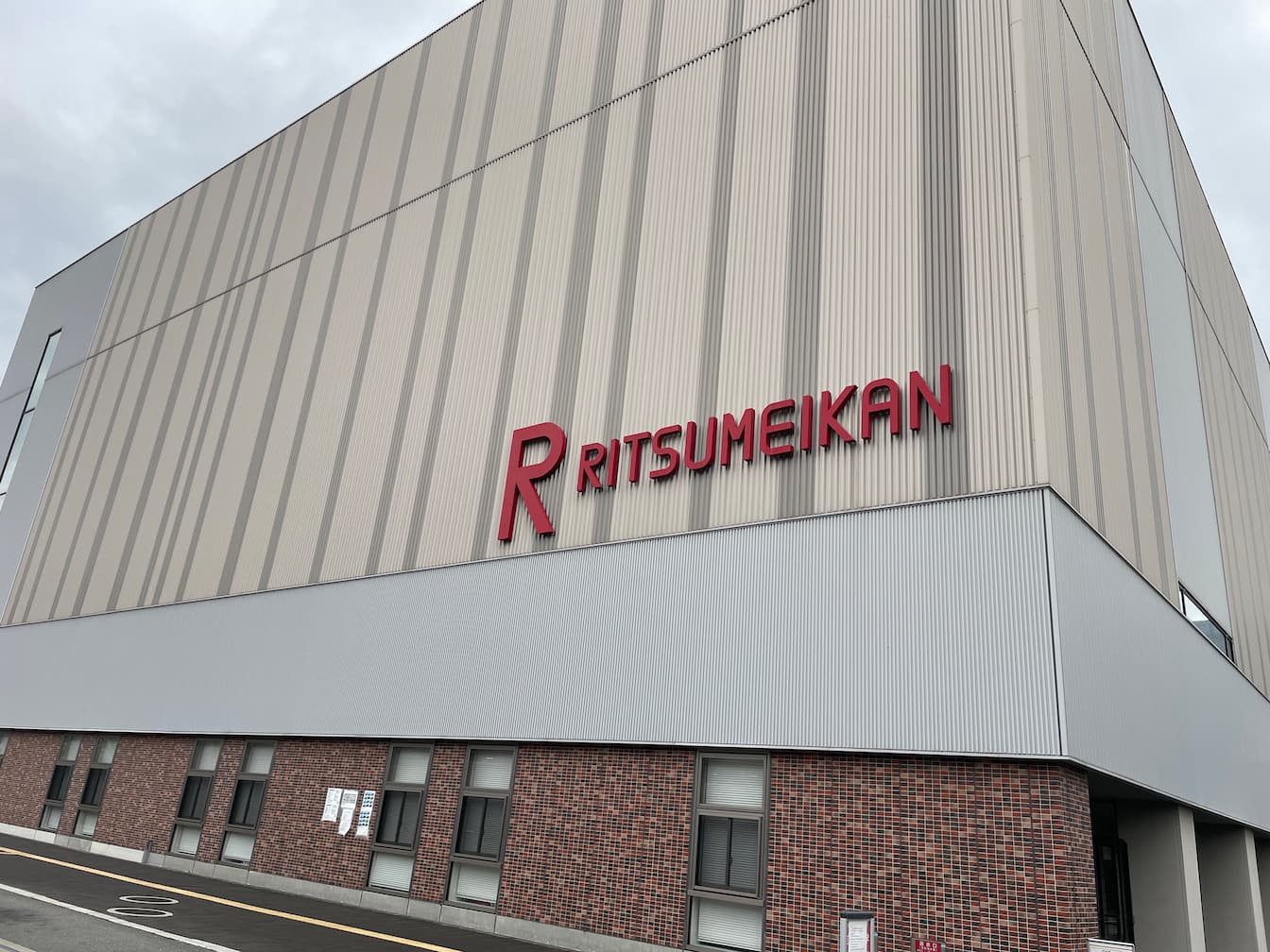
A strong first impression of the campus with the Ritsumeikan identity clearly visible.
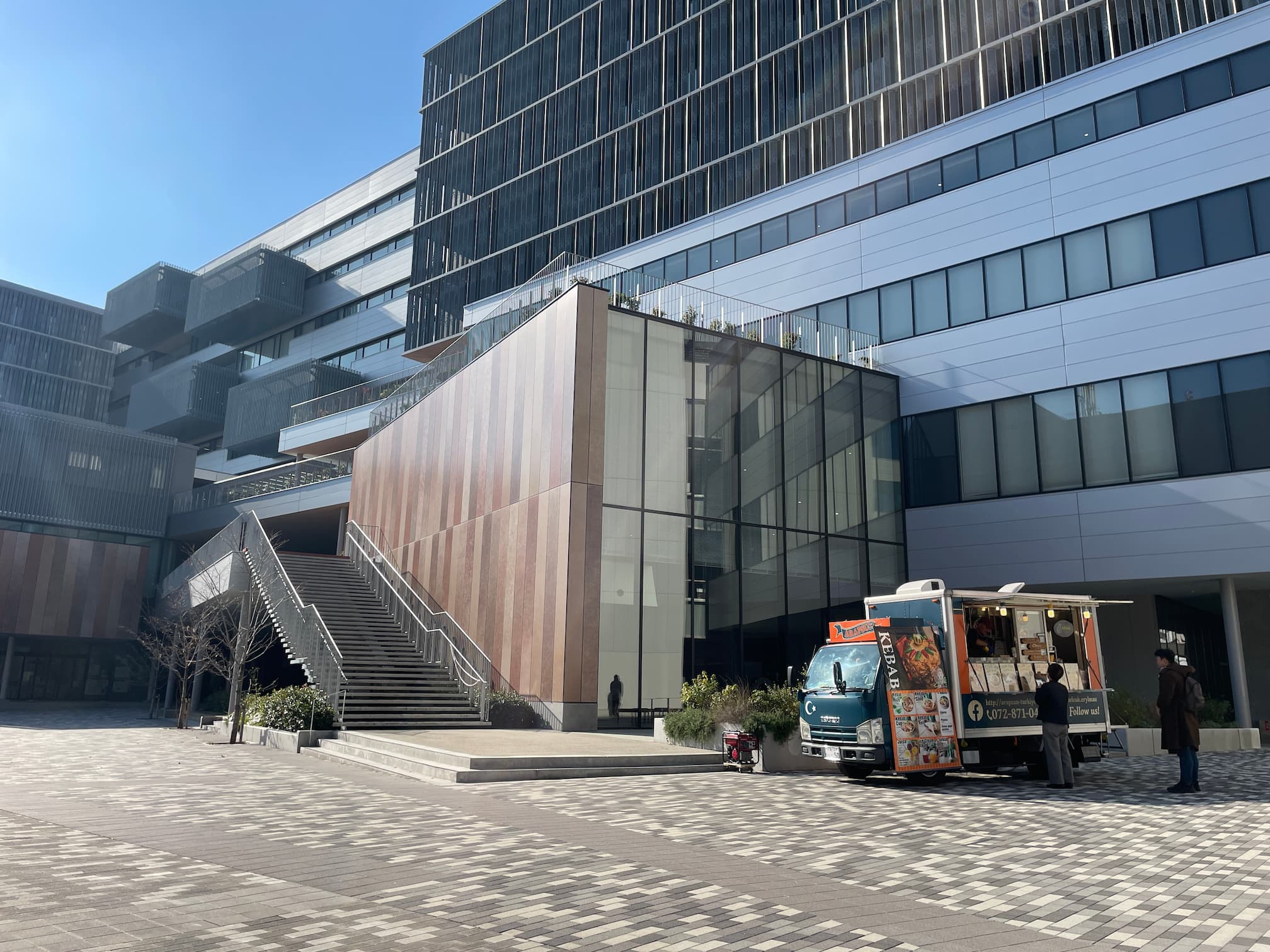
A bright and modern outdoor space where students move between classes and facilities.
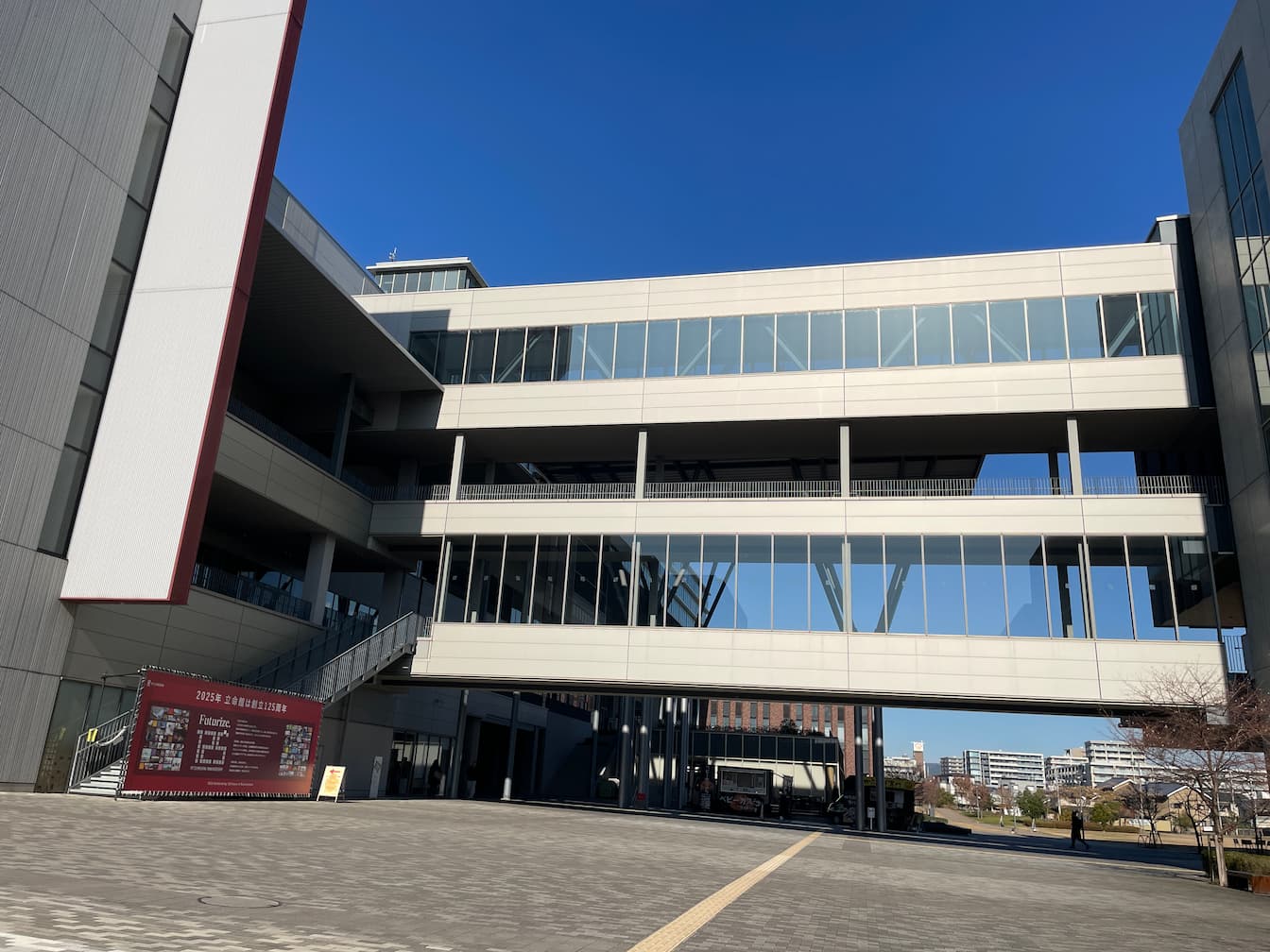
Large-scale campus architecture designed for movement, study, and collaboration.
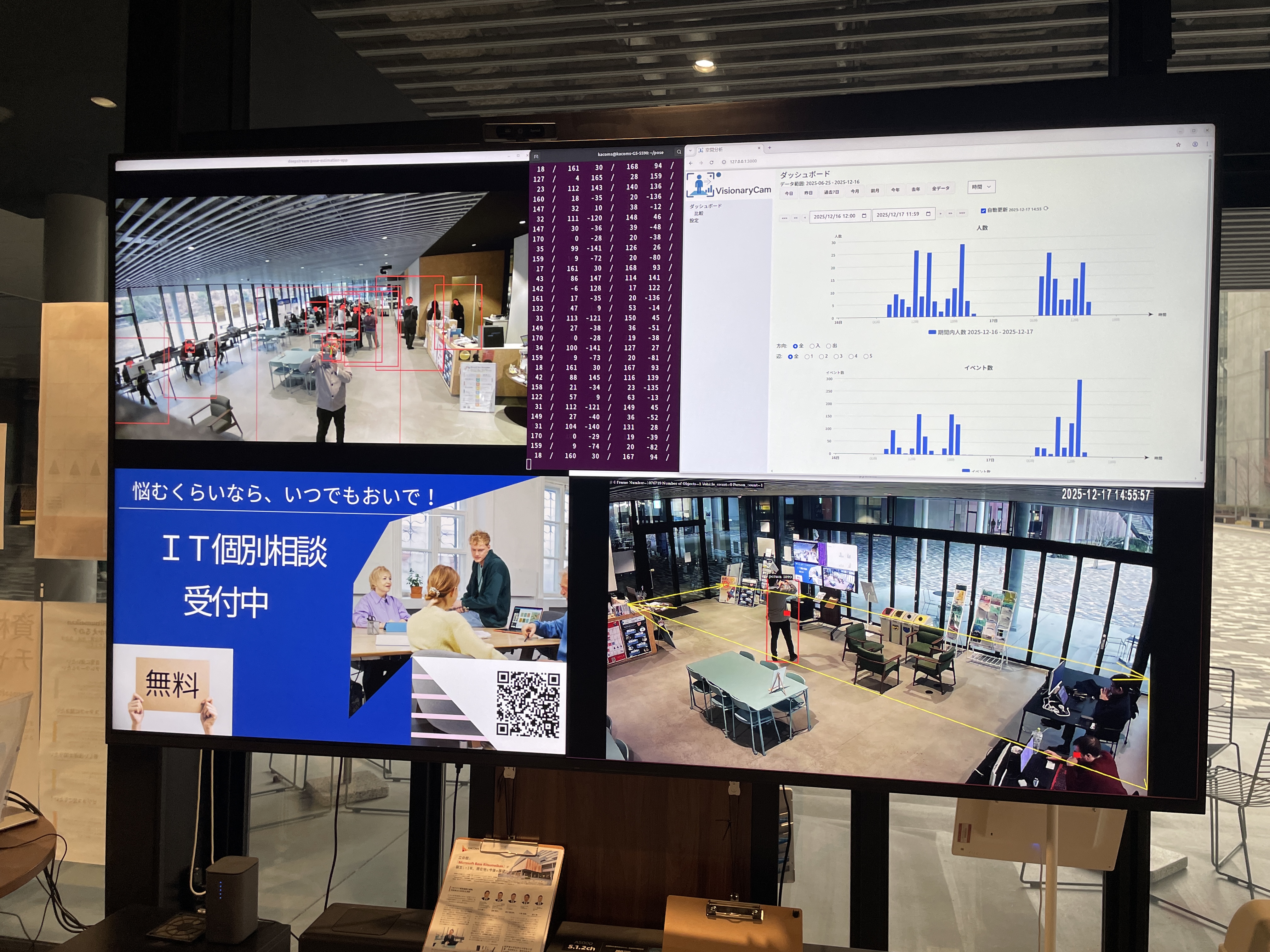
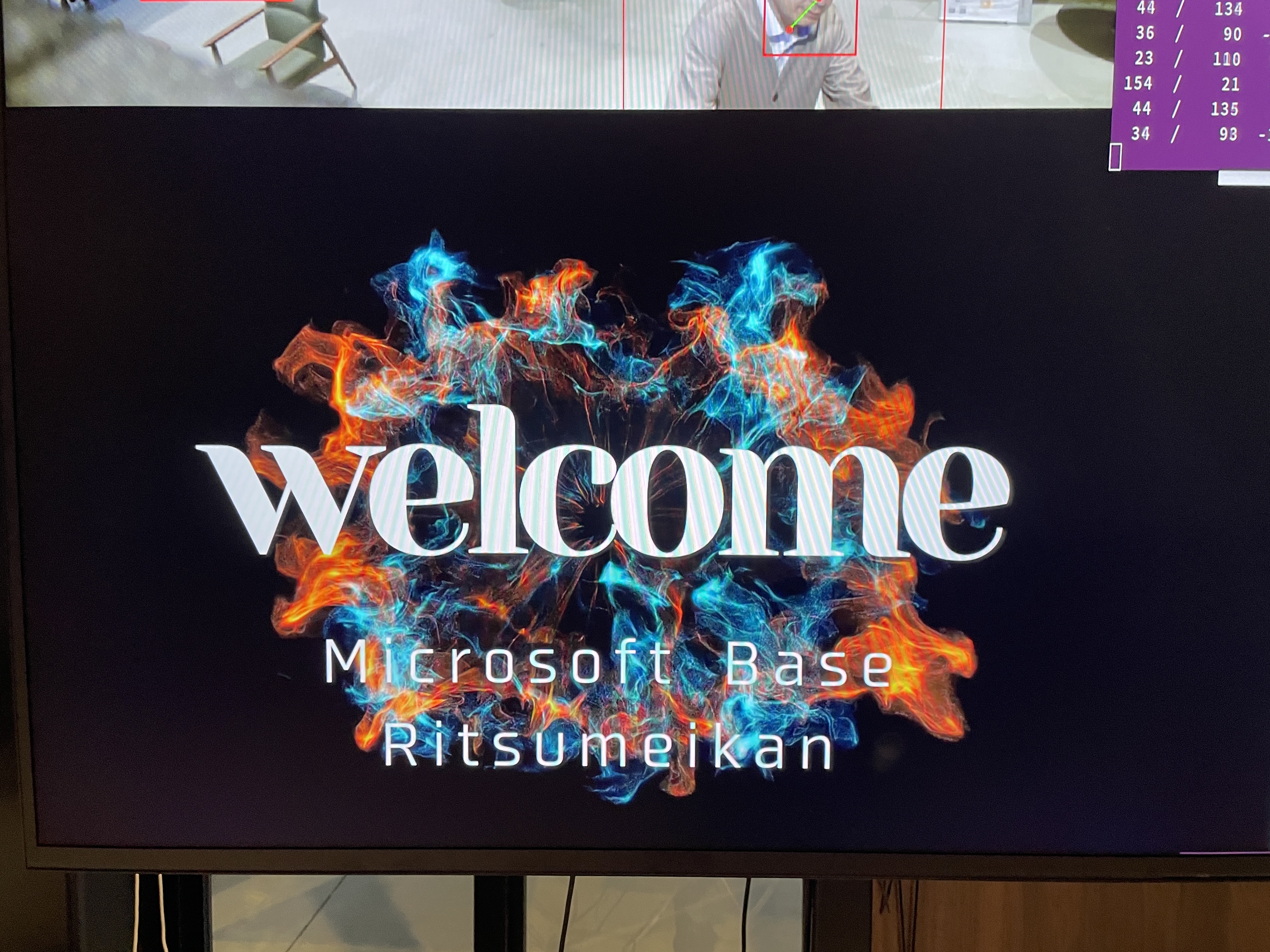
Screens and data-related displays help show the practical, future-oriented learning environment.
Academic environment
Faculty
The following five faculty members are confirmed. Additional guest sessions or special appearances may be announced later on this page.

Atsushi Kakogawa
Associate Professor, Department of Robotics
Field and service robotics, including practical applications for infrastructure inspection and environmental exploration.

Valentinus Roby Hananto
Lecturer, College of Information Science and Engineering
Data science, machine learning, and business intelligence with a practical focus on real-world systems.

Victor Kryssanov
Professor, College of Information Science and Engineering
Statistical simulation and modeling, Green AI, Smart building (transportation, city, etc.), Smart agriculture and mariculture.

Mate Kovacs
Assistant Professor, College of Information Science and Engineering
Natural Language Processing for Civic Tech, Language Modeling and large-scale text and social data analysis.

Shady Salama
Assistant Professor, College of Information Science and Engineering
Artificial intelligence, combinatorial optimization, simulation modeling, evolutionary algorithms, and intelligent manufacturing.
Technology and making
We are also adjusting possible added experiences related to fabrication, technology, and digital making. Confirmed details will be posted here.
Student life
Campus
OIC offers study spaces, collaboration spaces, practical facilities, and a campus environment that feels both academic and welcoming.
This is a real campus view at OIC. The open layout and modern architecture help visitors immediately feel the atmosphere of the university.
Screens, data, and open interiors visually support the image of a future-oriented academic environment.
The buildings are physically connected in a way that gives the campus a strong sense of scale, movement, and openness.
Campus life
Students experience daily life on campus, including meals, accommodation, and shared spaces designed for comfort and interaction.
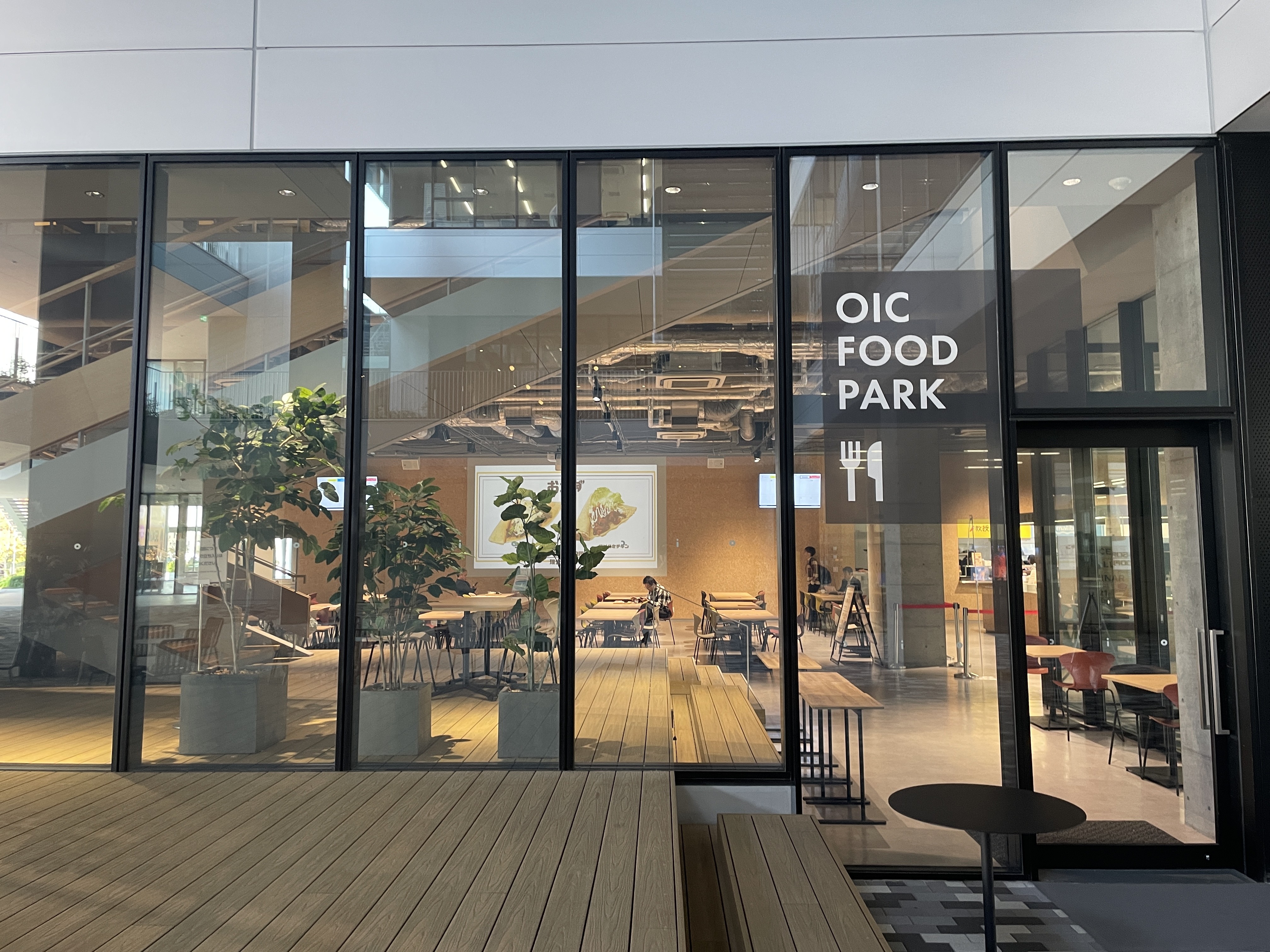
A bright and comfortable dining space on campus where students can enjoy daily meals and spend time with others.
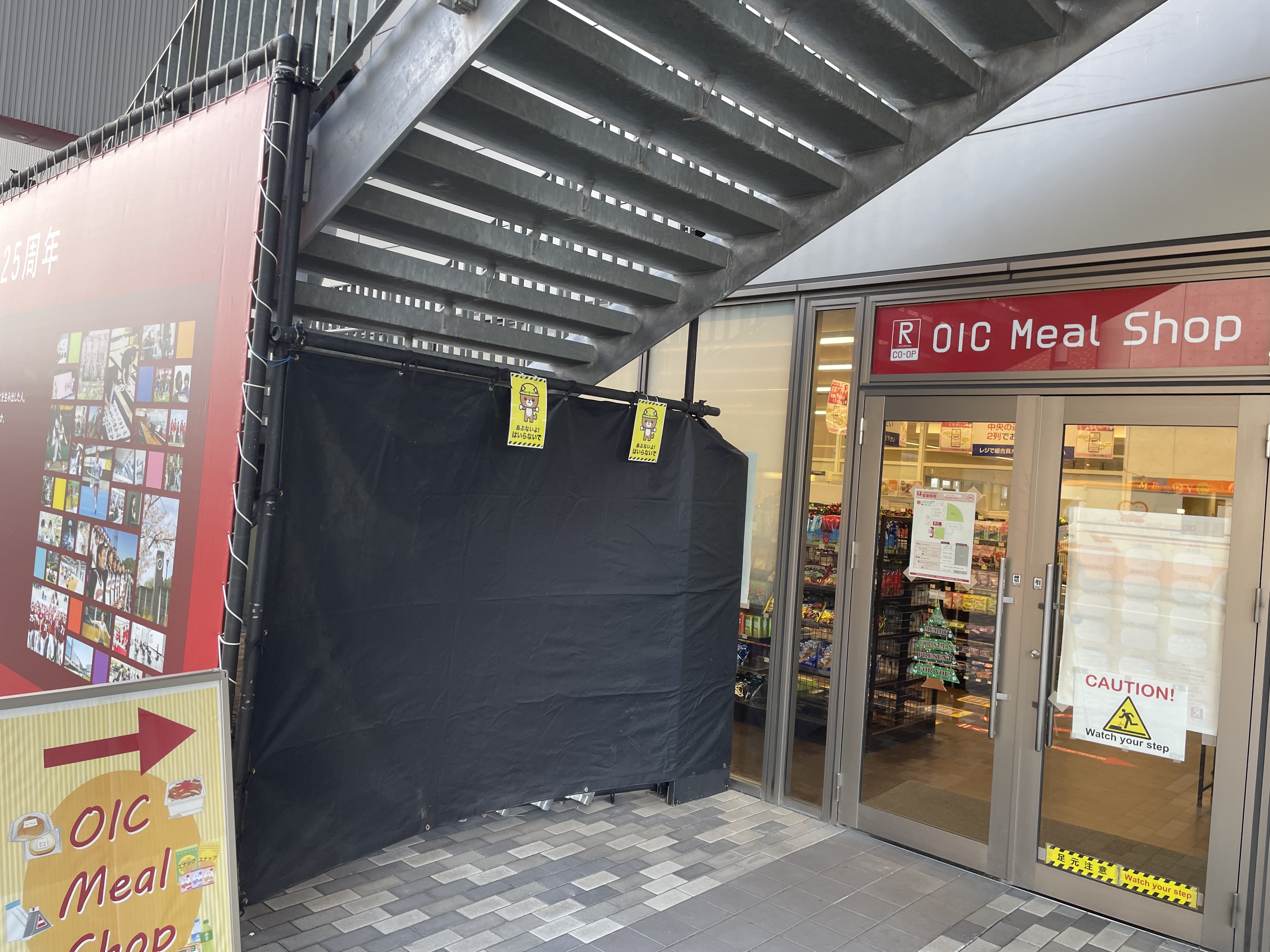
A convenient campus shop for daily needs, light meals, and practical student life support.
Quick facts
Location
A modern campus in Osaka with academic facilities, student spaces, dining options, and on-campus accommodation.
Program dates
No classes on July 18, 19, and 20. These are free days.
Program fee
No scholarships, waivers, or partner discounts are available for this program.
Application
Please complete the required information in the application form first.
Minimum number
If the minimum number is not reached, the program may not be offered.
Accommodation
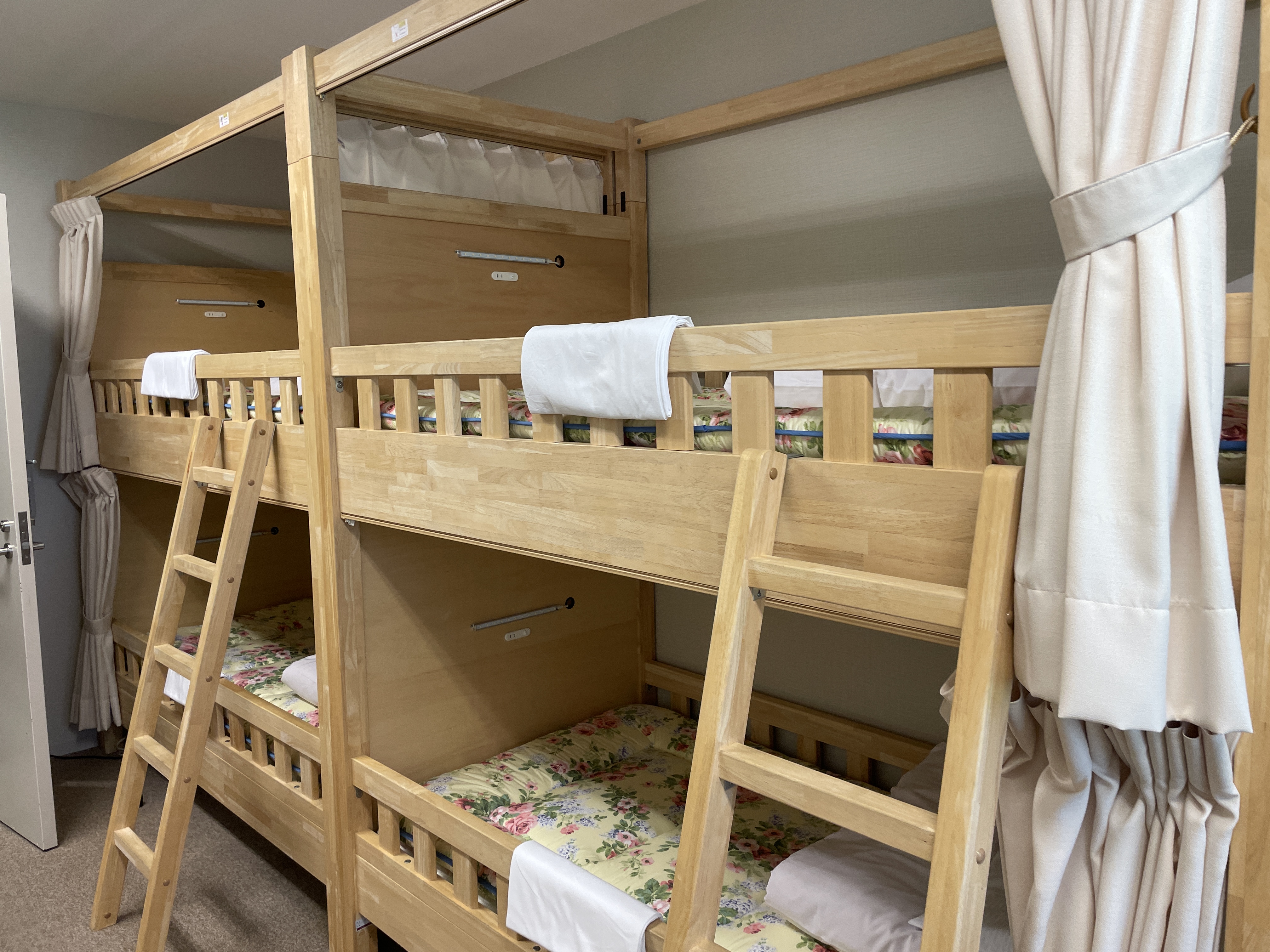
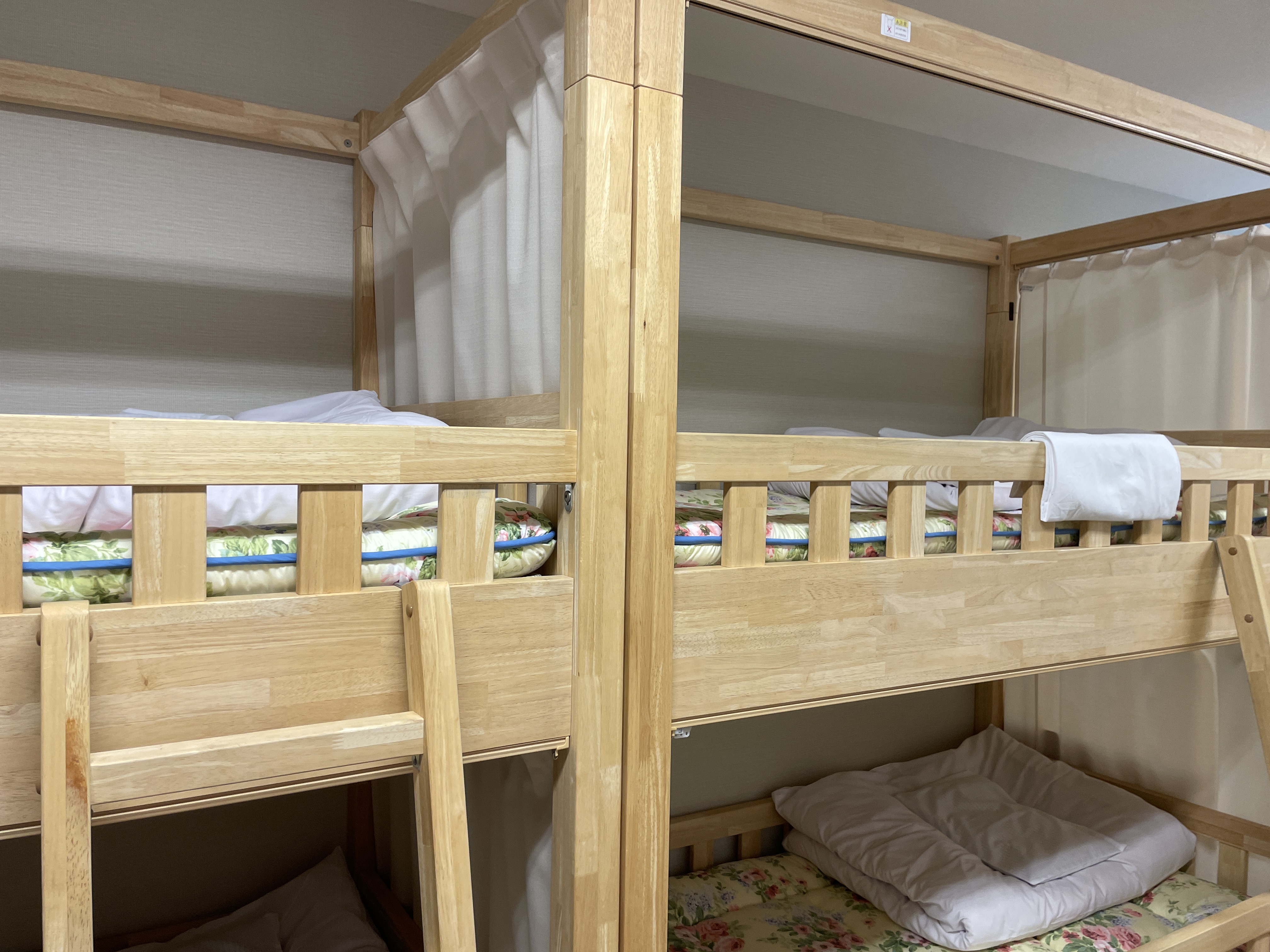
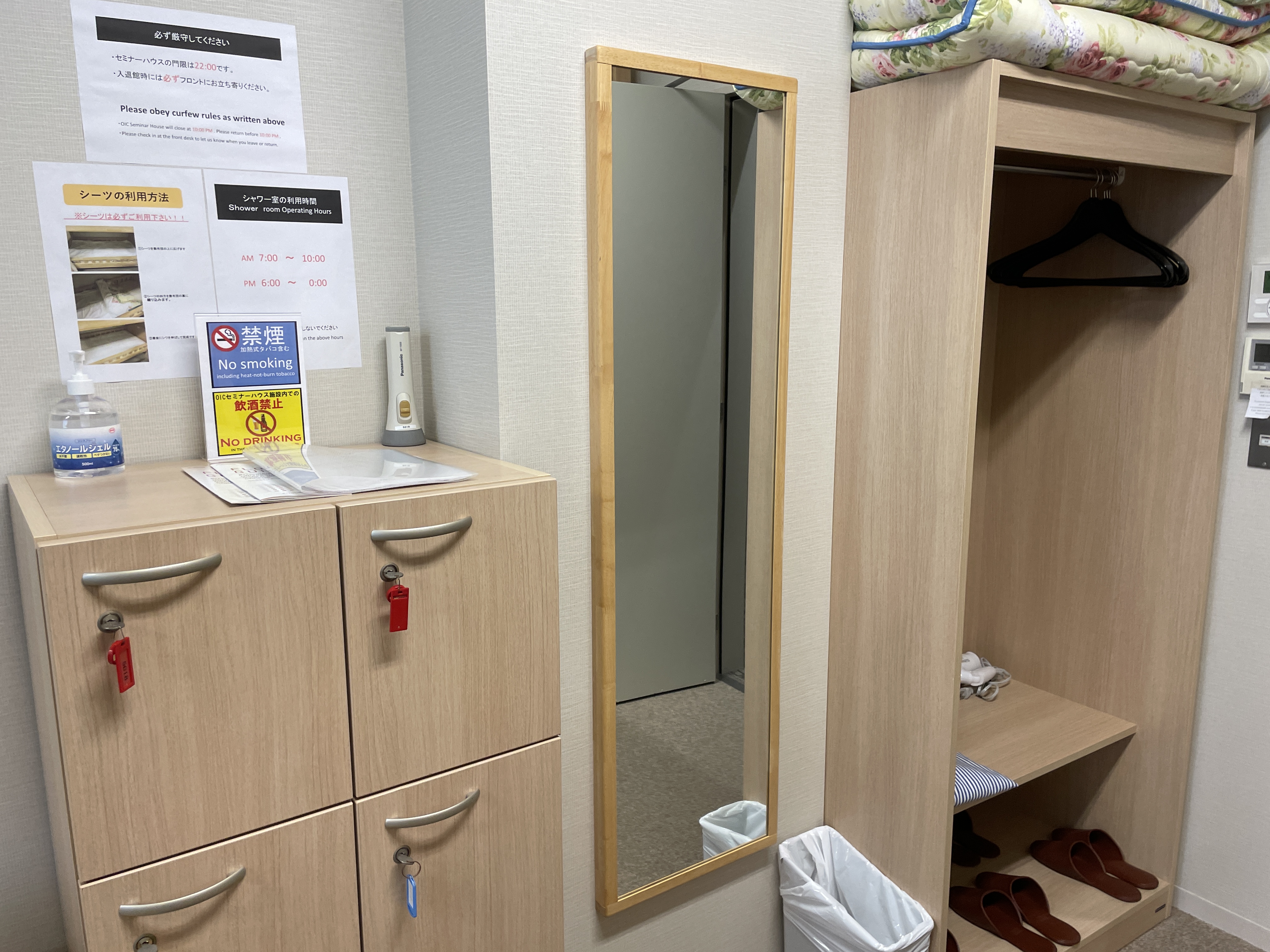
Shared rooms separated by gender. Participants travel to the residence by themselves.
Language / Credit
A completion certificate will be issued. Final schedule and some details will be updated on this page.
Application
Applications for RDSP 2026 are accepted through the Microsoft Forms link below. Please complete the required information in the form first.
Please note that the minimum number of participants is 15. If the minimum number is not reached, the program may not be offered.
Eligibility
Accommodation
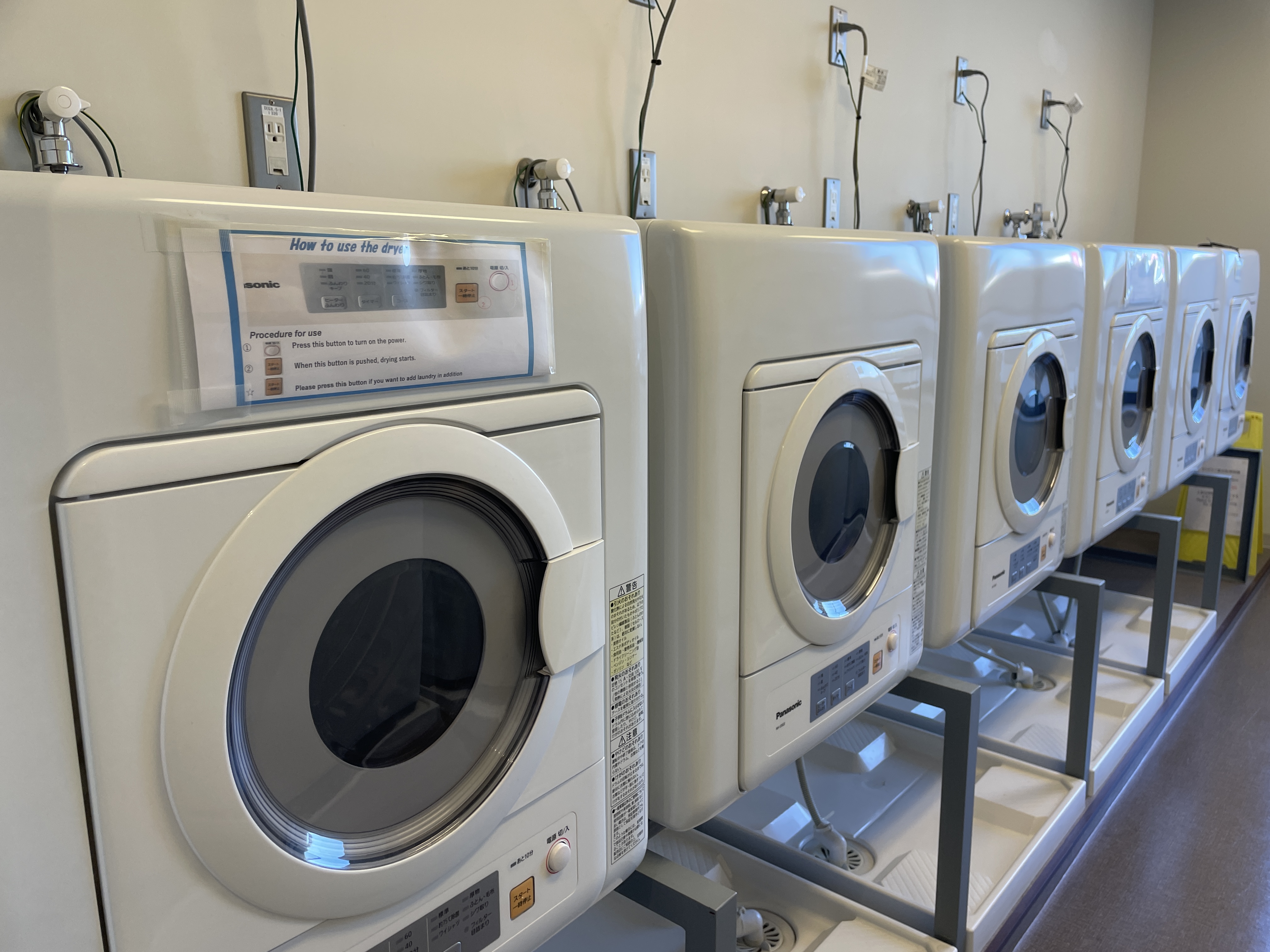
Participants stay on campus in shared rooms separated by gender. The residence offers a practical and student-friendly environment for short-term study in Japan.
Fees
Notes
Join RDSP
Learn in English, live on campus, meet Ritsumeikan students, and explore future technology in a real university environment.
Please complete the Microsoft Forms application first. The program requires a minimum of 15 participants.